Stump Grinding vs. Stump Removal: What Maine Property Owners Should Know
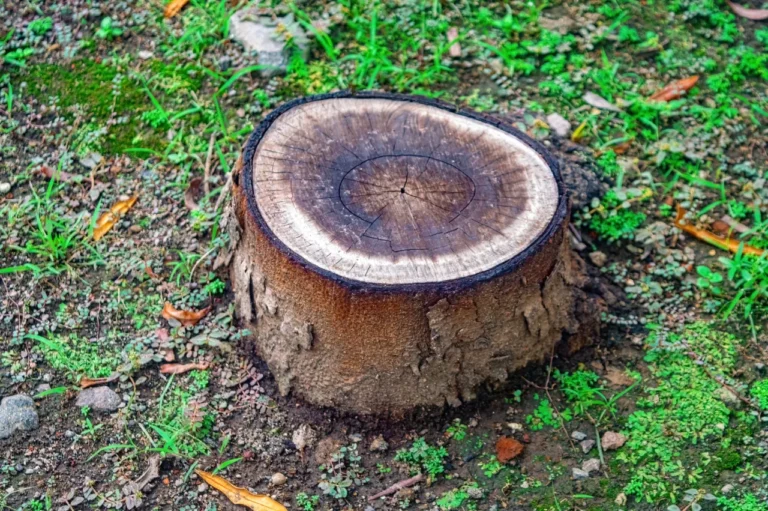
After a tree is cut down, the remaining stump can interfere with mowing, landscaping, construction, or the way you want to use your yard. Two common ways to address it are stump grinding and complete stump removal.
Although these terms are sometimes used interchangeably, they describe different processes.
What Is Stump Grinding?
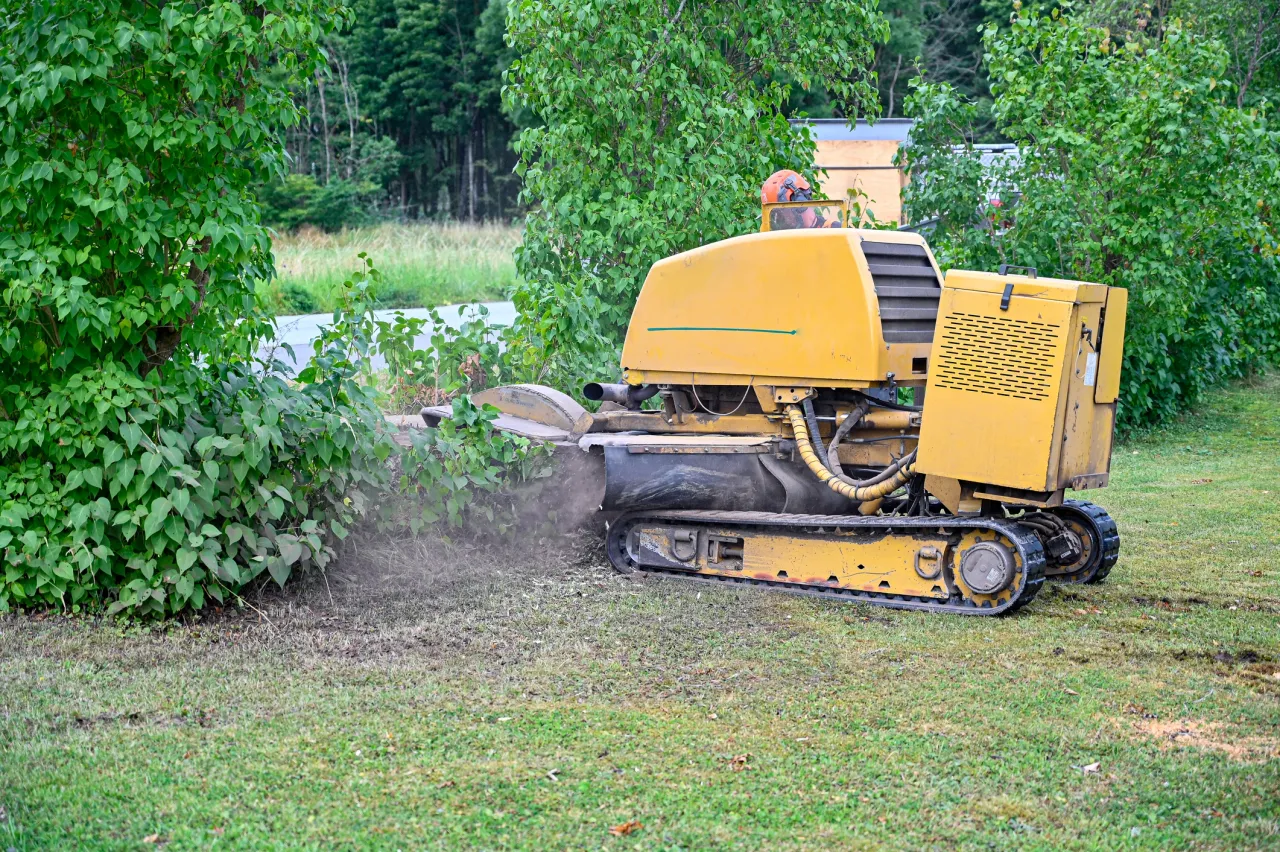
Stump grinding uses specialized machinery to break the visible stump into small wood chips. The machine gradually grinds the stump below the surrounding ground level.
The remaining hole can usually be filled with a combination of soil and the resulting wood chips. The underground roots are left in place and decay naturally over time.
Depending on the location, soil, and surrounding obstacles, grinding may reach approximately 12 inches below the surface. This is often sufficient for restoring a lawn, preparing a garden bed, or clearing an area for another outdoor project.
What Does Complete Stump Removal Involve?
Complete stump removal means extracting both the stump and a substantial portion of its root system.
Because tree roots can spread well beyond the original trunk, removal may require extensive digging or excavation. It can create a larger hole and cause more disturbance to the surrounding lawn or landscape.
Complete removal may be considered when major excavation is already planned or when the remaining root system would interfere with construction. For many ordinary residential projects, however, this level of disruption may not be necessary.
Why Property Owners Often Choose Stump Grinding
Stump grinding provides several practical advantages:
- It usually causes less disruption to the surrounding property.
- It can be completed more efficiently than excavating an entire root system.
- It clears the visible stump below ground level.
- It produces wood chips that may be useful as fill or mulch.
- It can help prepare the area for grass or other landscaping.
Grinding can also be suitable for old, newly cut, large, or difficult-access stumps when the right equipment is available.
What Happens to the Roots?
Stump grinding does not remove every underground root. Once the stump is ground, the remaining roots are no longer connected to a living tree and gradually decompose.
Some settling may occur as the wood chips and roots break down. If you plan to seed the area, it may be helpful to remove excess wood chips, add quality topsoil, and level the surface before planting.
Which Option Is Right for Your Property?
The best approach depends on what you plan to do with the area.
Stump grinding is often a practical choice when you want to:
- Restore or expand a lawn
- Improve the appearance of the property
- Make mowing and yard maintenance easier
- Prepare for a garden or landscaping project
- Remove a tripping or access obstacle
- Clear an unwanted stump without major excavation
If you are preparing for a foundation, driveway, utility installation, or another construction project, discuss the plans with the appropriate contractor before deciding how deeply the stump needs to be addressed.
Get a Free Stump Grinding Estimate in Maine
Every property and stump is different. Size, location, access, nearby structures, and underground obstacles can all affect the project.
Maine Stump Grinding, LLC uses specialized equipment for stumps of different sizes and locations, including large and difficult-access stumps.
To discuss your project or request a free estimate, call (207) 347-1996 or use our online contact form.